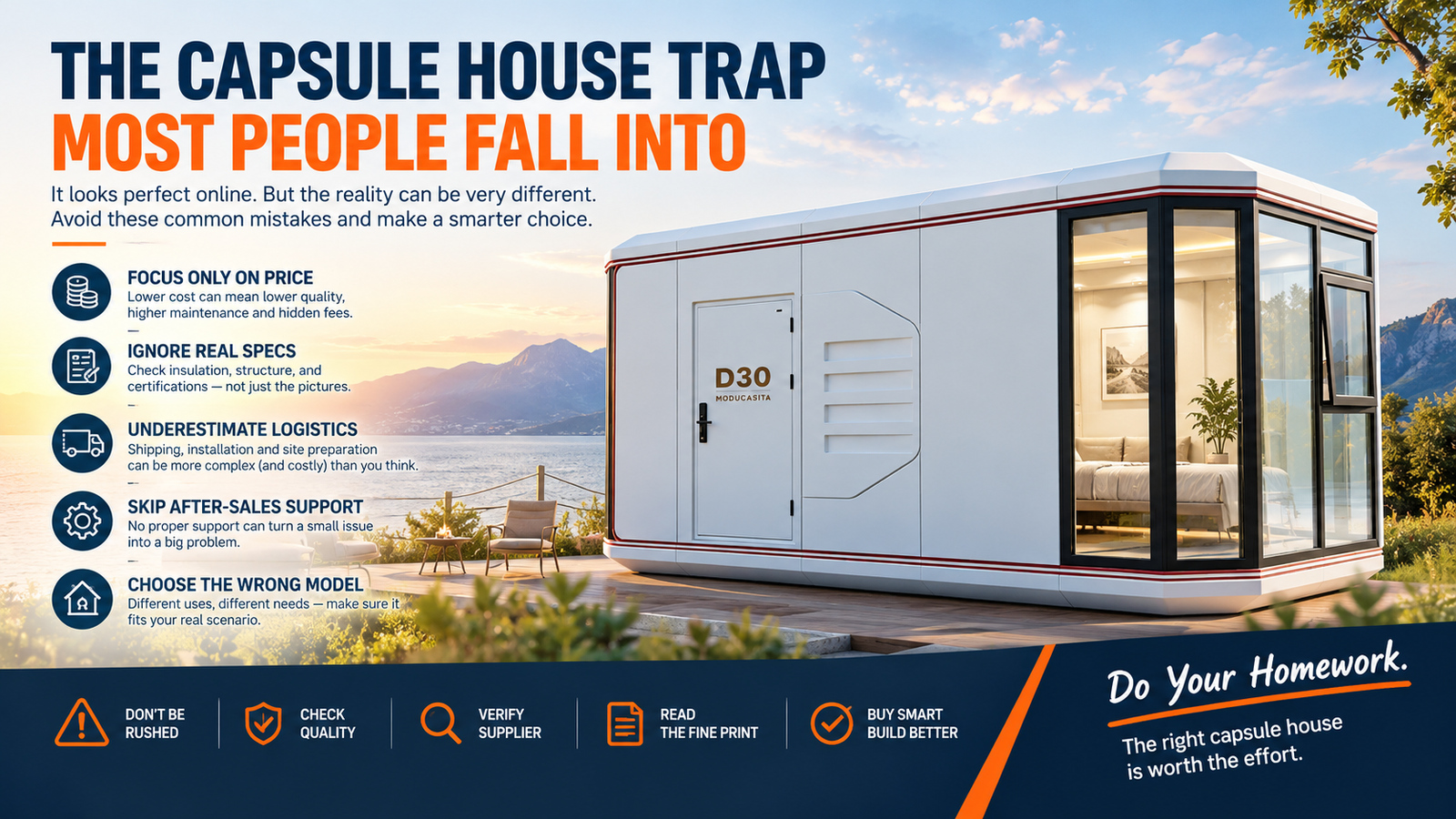
The Capsule House Trap Most People Fall Into
The Capsule House Trap Most People Fall Into: What Buyers Need to Know
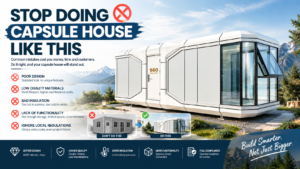
Capsule houses look futuristic, flexible, and easy to deploy. But there is one major trap that many buyers fall into: they choose the building they like instead of choosing the building their project actually needs.
Table of Contents
What Is the Capsule House Trap?
The capsule house trap is the tendency to judge a prefab capsule home by the most visible features: its futuristic appearance, advertised price, or attractive product photos.
These factors matter, but they are not enough to determine whether a capsule house is suitable for your project.
A successful capsule house needs to perform in the real world. That means it must match the local climate, site conditions, transportation requirements, regulations, customer expectations, and business model.
Do not ask only, “How much does this capsule house cost?” Ask, “How much value will this capsule house create after it is delivered, installed, operated, and maintained?”
The Low-Price Trap: Cheap Does Not Always Mean Better Value
Price is naturally one of the first things buyers compare when searching for a prefab capsule house. However, comparing suppliers using only the quoted factory price can produce misleading results.
Two capsule houses may look similar in photographs while having significant differences in structure, insulation, windows, electrical systems, waterproofing, interior materials, and equipment.
Look Beyond the Factory Price
| Cost Factor | Why It Matters |
|---|---|
| Factory Price | The initial purchase price of the capsule house. |
| Shipping | International freight and local transportation can significantly affect total project cost. |
| Foundation | The site may require suitable foundations or support structures. |
| Installation | Equipment, labor, and site preparation may be required. |
| Utilities | Water, drainage, electricity, heating, cooling, and internet connections can add costs. |
| Maintenance | Material quality can influence long-term repair and replacement expenses. |
The better question is not simply whether a capsule house is cheap. It is whether the total cost of ownership makes sense for your project.
The Appearance Trap: A Futuristic Design Is Not Enough
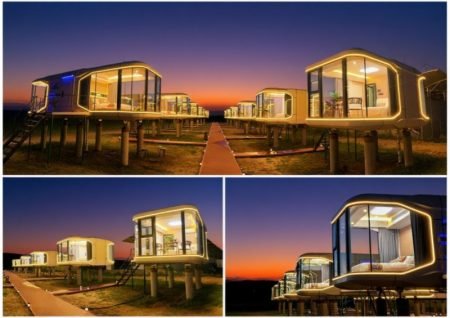
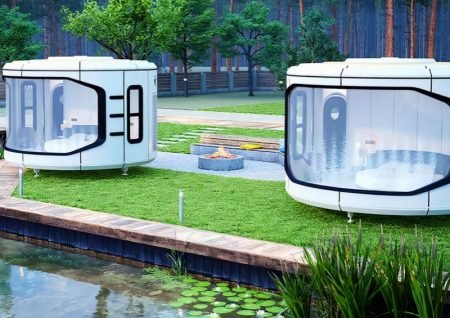
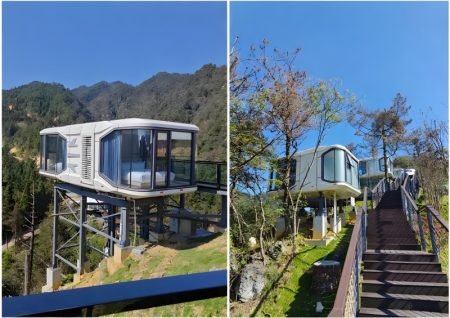
One reason capsule houses have become popular is their distinctive appearance. Large windows, curved forms, modern interiors, and futuristic exterior finishes can make a property highly attractive.
For glamping and vacation rentals, appearance can be an important marketing advantage. But aesthetics should never replace functional performance.
A Good Capsule House Should Balance:
- Exterior appearance
- Interior comfort
- Structural performance
- Thermal insulation
- Waterproofing
- Ventilation
- Ease of maintenance
The strongest capsule house designs combine an attractive visual identity with practical engineering.
The Climate Trap: Ignoring the Installation Environment
A capsule house designed for a warm climate may require different specifications from one installed in a cold, snowy, humid, or coastal environment.
This is one of the most important considerations when purchasing a space capsule house from an overseas manufacturer.
Cold Climates
Pay attention to wall and roof insulation, window performance, heating systems, condensation control, and snow-related structural requirements.
Hot Climates
Consider solar exposure, insulation, ventilation, glazing performance, and air-conditioning capacity.
Coastal Areas
Material selection, corrosion resistance, waterproofing, and maintenance requirements become especially important.
Wet Environments
Drainage, waterproofing, roof details, windows, and exterior materials should be selected carefully.
Always tell your manufacturer where the capsule house will be installed before finalizing specifications.
The Layout Trap: Small Does Not Have to Feel Small
A capsule house often has a compact footprint. That makes interior planning particularly important.
Poor layouts can make a relatively spacious unit feel cramped, while smart layouts can make a compact home feel surprisingly comfortable.
Focus on the User Experience
- Bed positioning
- Storage space
- Bathroom access
- Kitchen functionality
- Walking paths
- Window orientation
- Natural lighting
- Furniture placement
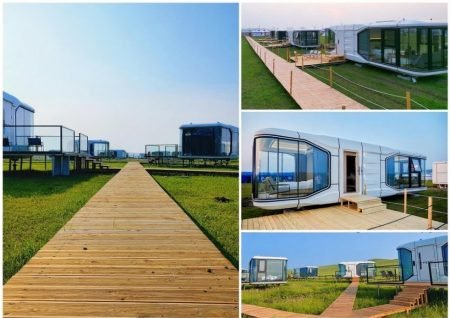
For a glamping project, the layout should also maximize the guest's connection with the surrounding landscape.
The Shipping Trap: Forgetting What Happens After Production
Buying a capsule house from a manufacturer is only the beginning of the logistics process. The unit must eventually reach your site and be positioned correctly.
Before placing an order, confirm:
- Overall transportation dimensions
- Shipping method
- Port requirements
- Local road access
- Truck access to the property
- Crane or lifting requirements
- Unloading procedures
- Final installation process
A beautiful capsule house can still become a difficult project if the delivery route, site access, unloading process, or installation requirements were not considered in advance.
The Regulation Trap: Assuming Every Capsule House Can Be Installed Anywhere
The fact that a capsule house is prefabricated does not automatically mean it is exempt from local regulations. Requirements vary depending on the country, region, property, intended use, and building classification.
Before purchasing, investigate applicable requirements related to:
- Building permits
- Land use
- Electrical systems
- Fire safety
- Plumbing
- Wastewater
- Foundations
- Environmental restrictions
For commercial projects, it is particularly important to understand the requirements before committing to a large number of units.
The Manufacturer Trap: Choosing a Supplier Based Only on Product Photos
Beautiful product photography does not tell you everything about a manufacturer.
When evaluating a capsule house manufacturer, look at the company behind the product.
Questions Worth Asking
- How long has the manufacturer been producing modular buildings?
- Does the factory have actual production capacity?
- Can the supplier provide technical specifications?
- What quality-control process is used?
- Has the manufacturer exported similar products?
- Can the design be customized?
- What warranty is provided?
- What happens if replacement parts are needed?
- Can the supplier provide installation guidance?
Compare manufacturers based on specifications, engineering capability, production quality, communication, export experience, and after-sales support — not just photographs and price.
The ROI Trap: Assuming a Capsule House Automatically Makes Money
A capsule house can be an attractive investment for glamping, vacation rentals, resorts, and other hospitality applications. But the building itself does not guarantee profitability.
Your potential return depends on the complete business model.
Key ROI Factors
- Location: Demand and accessibility influence the property's potential performance.
- Occupancy: A visually attractive unit still needs sufficient customer demand.
- Pricing: Your nightly or monthly rate must match the target market.
- Operating Costs: Utilities, cleaning, maintenance, staffing, and management affect profitability.
- Construction Speed: Faster deployment may allow the project to begin operating sooner.
- Scalability: Modular units can make phased expansion easier.
The best capsule house investment is one where the product, location, target customer, operating costs, and business model work together.
Capsule House Buying Checklist
Before ordering a capsule house, use the following checklist to reduce unnecessary risks.
- Define the intended use of the capsule house.
- Confirm the installation location and climate.
- Research local building regulations.
- Compare structural specifications.
- Review insulation and window specifications.
- Confirm bathroom and plumbing systems.
- Check electrical requirements.
- Calculate shipping and local transportation costs.
- Confirm foundation requirements.
- Plan crane and installation requirements.
- Compare warranty policies.
- Evaluate the manufacturer's production experience.
- Ask for real project references when available.
- Calculate total project cost rather than factory price alone.
What Should You Prioritize When Buying a Capsule House?
If you are comparing several models, prioritize the features that affect long-term value.
| Priority | What to Evaluate |
|---|---|
| 1. Structural Quality | Main frame, exterior materials, waterproofing, and engineering. |
| 2. Climate Performance | Insulation, windows, HVAC, and environmental suitability. |
| 3. Layout | Comfort, functionality, storage, and space utilization. |
| 4. Logistics | Transportation dimensions, unloading, and installation. |
| 5. Regulations | Local building, utility, safety, and land-use requirements. |
| 6. Manufacturer | Experience, quality control, customization, warranty, and support. |
| 7. Price | Total cost of ownership rather than initial price alone. |
Frequently Asked Questions About Capsule Houses
The biggest mistake is choosing a capsule house based mainly on appearance or initial price without evaluating structure, insulation, climate suitability, transportation, installation, regulations, and long-term operating costs.
A low purchase price does not necessarily mean better value. Buyers should compare materials, specifications, warranty, installation requirements, shipping costs, and after-sales support before making a decision.
Check structural materials, insulation, windows, waterproofing, electrical systems, climate suitability, local regulations, transportation requirements, installation procedures, warranty, and manufacturer experience.
Yes. Capsule houses are well suited to glamping and hospitality projects because their distinctive appearance, panoramic windows, compact layouts, and modular construction can create a strong guest experience.
Many manufacturers offer customization options for floor plans, exterior finishes, windows, furniture, bathrooms, kitchens, smart-home systems, and energy solutions. The available options depend on the manufacturer and project requirements.
Final Thoughts: Avoid the Trap by Looking at the Whole Project
The biggest capsule house trap is surprisingly simple: falling in love with the product before understanding the project.
A modern space capsule home can provide an exciting solution for glamping resorts, Airbnb developments, vacation homes, commercial projects, and modular housing. But the right choice depends on much more than appearance.
Before making a purchase, evaluate the building from every angle: quality, climate, layout, transportation, installation, regulations, operating costs, manufacturer capability, and potential return on investment.
When these factors are considered together, a capsule house becomes more than a futuristic building. It becomes a practical modular asset designed around a specific location, customer, and business goal.
Planning Your Own Capsule House Project?
Whether you are developing a glamping resort, Airbnb project, vacation property, or modular accommodation business, choosing the right capsule house specification is the first step.
Request a Capsule House QuoteCapsule House, Capsule House Trap, Prefab Capsule House, Space Capsule House, Modular Capsule House, Luxury Capsule House, Glamping Capsule House, Capsule House Buying Guide, Capsule House Manufacturer, Prefabricated Modular Home