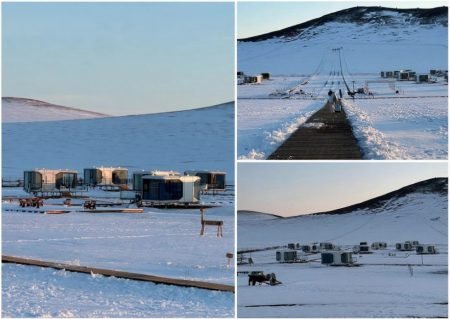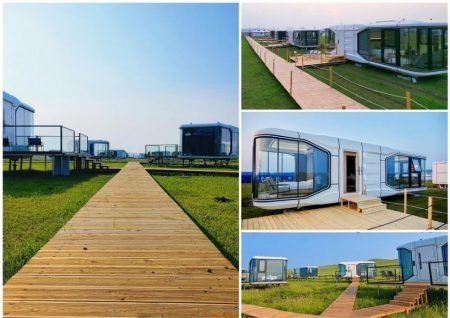
A Smarter Way to Handle Capsule House
A Smarter Way to Handle Capsule House: Plan Better, Build with Confidence
Buying a capsule house should not begin with choosing the most attractive model. It should begin with understanding your project. Whether you are developing a glamping resort, expanding a vacation rental business or adding a private guest unit, a smarter approach can help you make better decisions about design, budget, logistics and long-term use.
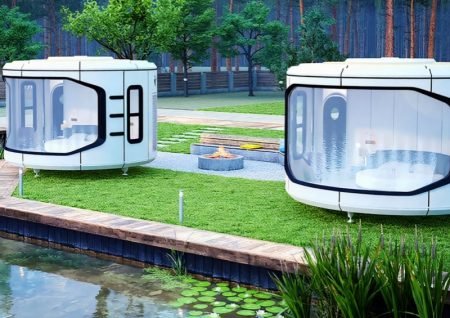
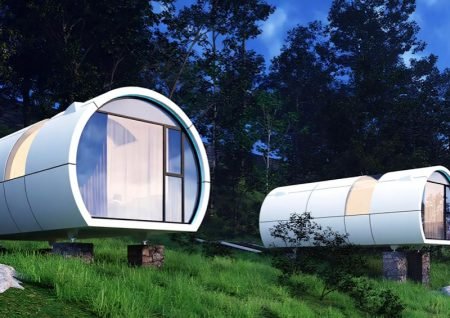
The growing interest in capsule houses has created new opportunities for hospitality operators, property developers and buyers looking for modern prefabricated buildings. Their distinctive appearance and compact layouts make them attractive for many projects.
However, choosing the right capsule house involves more than comparing product photos and prices. The building must fit the site, meet the intended use, provide a comfortable interior and work within the project's logistical and financial constraints.
So, what is a smarter way to handle a capsule house project? The answer is to make the important decisions in the right order.
1. Start with the Project, Not the Product
One of the most common purchasing mistakes is selecting a capsule house before defining what the project actually needs.
A unit intended for a luxury glamping resort may require a different layout and finish from a private backyard guest house. A capsule house for a remote holiday destination may have different transportation and utility requirements from one installed at an established commercial property.
Before contacting suppliers, answer these questions:
- Where will the capsule house be installed?
- Who will use it?
- Will it be used for private living or commercial accommodation?
- How many people should it accommodate?
- What climate conditions will it face?
- How many units are required?
- What is the target budget?
- What approvals or permits may be required?
Create a short project brief before requesting quotations. Clear requirements make supplier comparisons more meaningful and reduce the risk of paying for features your project does not need.
2. Define the Intended Application
A capsule house is a building concept, not a complete business plan. Its ideal configuration depends on how the space will be used.
For Glamping Resorts
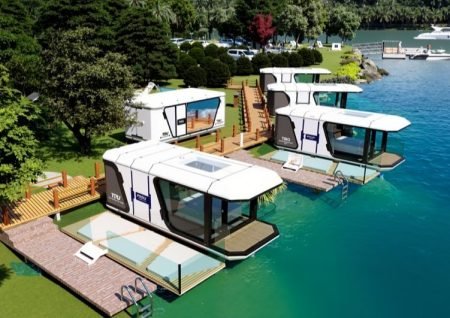
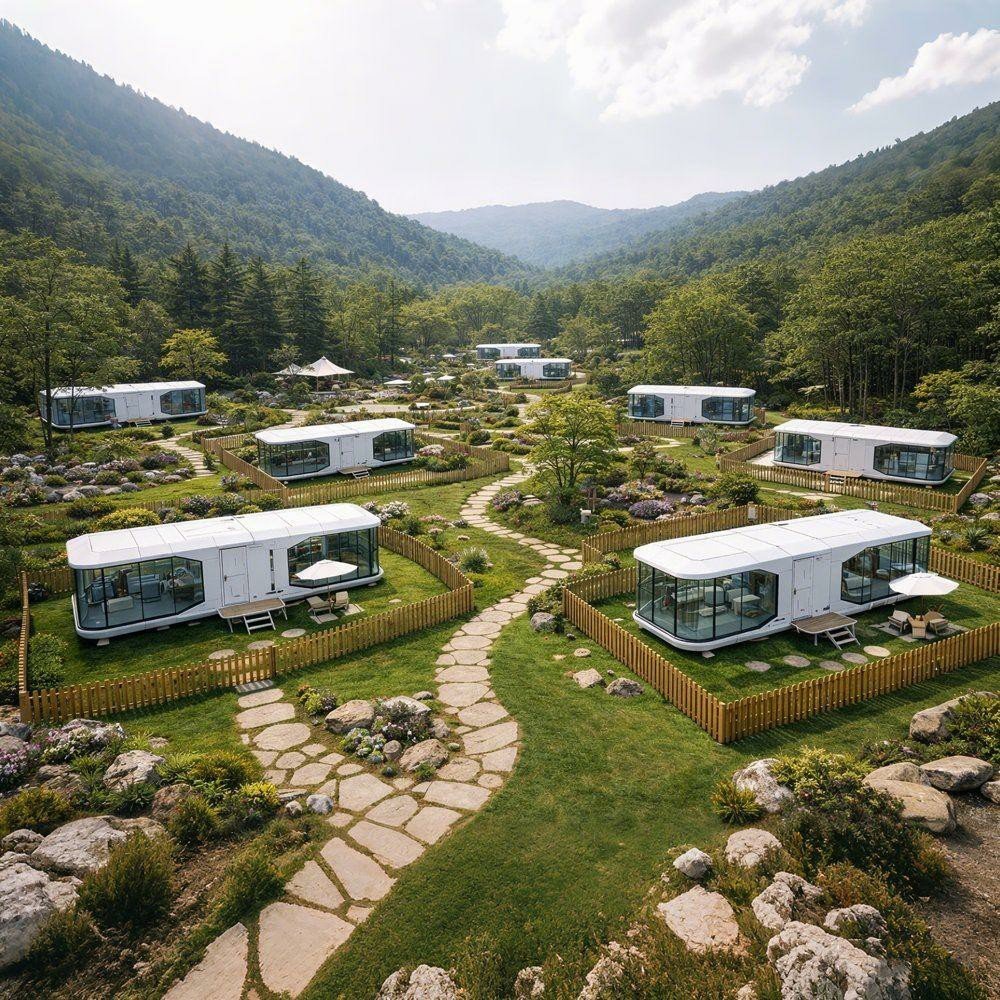
Focus on guest comfort, views, privacy, bathroom facilities, cleaning access and how each unit fits into the wider landscape. Consider the walking paths, outdoor seating and shared facilities needed to create a complete guest experience.
For Vacation Rentals
Prioritize a practical sleeping area, storage, bathroom convenience, lighting, heating and cooling, and easy cleaning between bookings. A distinctive exterior can attract interest, but the interior must meet guest expectations.
For Private Guest Houses
Consider the relationship between the capsule house and the main property, including privacy, access, utility connections and the intended frequency of use.
For Commercial or Remote Applications
Check whether the interior configuration, connectivity, utilities, site access and local regulations support the intended operation.
Matching the capsule house to its application is the first step toward a more efficient purchase.
3. Choose Design Based on Function
A modern capsule house often features panoramic windows, a compact footprint and a distinctive architectural profile. These elements can make the building visually appealing, but they should work together with the interior layout and building performance.
Evaluate the Interior Layout
- Sleeping area: Is there enough room for the bed and movement around it?
- Bathroom: Is the layout practical, private and easy to maintain?
- Storage: Is there sufficient space for luggage, supplies and personal items?
- Windows: Do they provide useful views while meeting privacy and performance needs?
- Furniture: Does the arrangement make efficient use of the available floor area?
- Utilities: Are electrical, plumbing and ventilation systems planned appropriately?
If possible, review a dimensioned floor plan rather than relying exclusively on promotional images. Ask for the actual internal dimensions and clarify which furniture, fixtures and appliances are included in the quotation.
4. Plan for the Local Climate
A capsule house designed for one environment may not automatically perform well in another. Climate requirements should be discussed before the final specification is approved.
| Environment | Key Considerations |
|---|---|
| Cold regions | Insulation, window performance, heating capacity, air leakage and condensation management. |
| Hot regions | Solar exposure, shading, insulation, ventilation and cooling capacity. |
| Humid regions | Moisture control, ventilation, waterproofing and appropriate material selection. |
| Coastal locations | Corrosion resistance, wind exposure, drainage and weather-resistant finishes. |
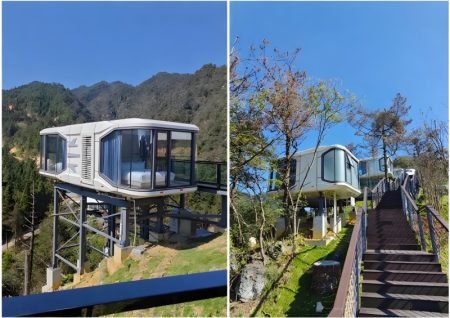
| Remote or mountainous sites | Access roads, terrain, weather exposure, foundation requirements and lifting arrangements. |
Ask the manufacturer to identify the relevant specifications and their limitations. Avoid assuming that every model is suitable for every climate simply because it is advertised as a prefab or modular building.
5. Calculate the Total Project Cost
A smarter capsule house budget includes more than the factory price. A low quotation may exclude important items required to deliver and operate the finished building.
| Cost Category | What to Confirm |
|---|---|
| Unit price | Base configuration, materials, fixtures, furniture and included equipment. |
| Customization | Changes to layout, finishes, windows, bathroom or electrical systems. |
| Transportation | Packaging, shipping, destination handling and delivery to the site. |
| Site preparation | Ground preparation, drainage, foundation and access improvements. |
| Installation | Crane or lifting equipment, labor, assembly and required connections. |
| Utilities | Water, wastewater, electricity, internet and heating or cooling connections. |
| Operation | Cleaning, energy consumption, maintenance and replacement components. |
For commercial projects, estimate revenue and operating expenses separately. For example, a glamping project should consider local demand, achievable nightly rates, seasonal occupancy, staffing and maintenance. Do not assume a particular return on investment without project-specific figures.
6. Choose the Right Capsule House Manufacturer
The manufacturer plays a major role in turning a product concept into a workable project. A professional supplier should be able to explain what is included, how the unit is built and what the buyer needs to arrange.
Questions to Ask Before Ordering
- Can you provide detailed product specifications and dimensioned drawings?
- Which structural and finishing materials are used?
- What insulation, window and waterproofing options are available?
- Which electrical and plumbing components are included?
- What quality inspection process is followed?
- What customization options are practical?
- How will the unit be packaged and transported?
- What installation guidance is available?
- What warranty and after-sales support do you provide?
- Can the proposed configuration meet the requirements of the destination market?
Compare quotations using the same specification wherever possible. This helps you distinguish genuine price differences from differences in the scope of supply.
7. Plan Transportation and Installation Early
Prefabrication can reduce the amount of work performed on site, but it does not eliminate logistics planning.
The transportation dimensions and weight of the capsule house may affect shipping, road access, unloading and lifting arrangements. A site with narrow access roads or difficult terrain may require additional planning.
Confirm These Details Before Production
- Overall shipping dimensions and unit weight
- Transport and unloading arrangements
- Access road width and turning space
- Crane or other lifting requirements
- Foundation design and site readiness
- Water, electricity and wastewater connections
- Installation sequence and responsible contractors
- Local permits and inspection requirements
Confirm who is responsible for each task: the manufacturer, logistics provider, installation contractor or property owner. Clear responsibilities help prevent misunderstandings when the unit arrives.
8. Customize Where It Matters
Customization can help a capsule house fit its intended purpose, but not every modification creates equal value.
Prioritize changes that improve functionality, comfort, climate performance, maintenance or the guest experience. Decorative details should come after essential requirements have been resolved.
| Priority | Examples | Reason |
|---|---|---|
| Essential | Structural requirements, insulation, waterproofing and utilities. | Supports safety, performance and practical use. |
| Functional | Bathroom layout, storage, lighting and furniture configuration. | Improves day-to-day usability. |
| Experience-focused | Window placement, interior finishes and outdoor connection. | Helps create the desired visual and user experience. |
| Optional | Additional decorative features or nonessential upgrades. | Can be considered after the main requirements and budget are clear. |
9. Think Beyond Installation Day
A capsule house project does not end when the building is delivered. Maintenance, cleaning, component replacement and utility performance all affect the long-term ownership experience.
Before purchasing, ask about access to service components, recommended maintenance procedures, warranty coverage and the availability of replacement parts.
For commercial accommodation, also consider how quickly the unit can be cleaned, how easily fixtures can be serviced and whether the layout supports efficient turnover between guests.
Evaluate a capsule house as a complete building solution—not just a finished product. The design, specification, installation plan and ongoing support should all match the way you intend to use it.
How a Smarter Process Improves Capsule House Projects
A structured decision-making process makes it easier to compare suppliers and identify potential problems before committing to an order.
| Project Stage | What to Do | Expected Benefit |
|---|---|---|
| Planning | Define purpose, location, quantity and budget. | Creates clear purchasing requirements. |
| Design | Compare layouts and technical specifications. | Helps match the product to the actual use case. |
| Supplier evaluation | Check manufacturing capability and scope of supply. | Supports more meaningful quotations and comparisons. |
| Logistics | Confirm transport, access, foundation and installation. | Reduces avoidable delivery and site-readiness issues. |
| Operation | Plan maintenance, cleaning and utility costs. | Supports more realistic long-term management. |
Capsule House Project Checklist
Use this checklist before sending a request for quotation to a capsule house manufacturer.
- Project country, region and installation location
- Intended use: residential, glamping, rental or commercial
- Required quantity and preferred dimensions
- Target number of occupants
- Bedroom and bathroom requirements
- Climate and weather conditions
- Preferred materials and interior finishes
- Electrical, plumbing and HVAC requirements
- Transportation access and unloading arrangements
- Foundation and site preparation plan
- Local building and planning requirements
- Target delivery date and overall budget
- Warranty, installation and after-sales expectations
Frequently Asked Questions About Capsule House Projects
What is the smartest way to plan a capsule house project?
Start by defining the purpose, location, climate, target users, budget and local regulatory requirements. Then evaluate the building specification, manufacturer, transportation, installation and operating costs.
How do I choose the right capsule house?
Choose based on the intended use, interior layout, structural design, insulation, windows, materials, utilities, transportation dimensions, installation requirements and available after-sales support.
Are capsule houses suitable for glamping resorts?
They can be a suitable option for glamping resorts because they offer distinctive architecture and compact accommodation layouts. The final choice should reflect site conditions, guest needs, local regulations, utilities and project budget.
What costs should I consider when buying a capsule house?
Consider the unit price, customization, shipping, unloading, site preparation, foundation, installation, utility connections, furnishings, maintenance and ongoing operating costs.
How can I evaluate a capsule house manufacturer?
Review detailed specifications, engineering capabilities, production quality controls, customization options, project experience, shipping plans, warranty terms and after-sales support.
Final Thoughts: Make Every Capsule House Decision Count
A smarter way to handle capsule house projects is not about choosing the most expensive model or adding the most features. It is about making decisions based on clear requirements and understanding the complete project.
Define the application first. Select the design according to function. Plan for the local climate. Compare complete specifications rather than headline prices. Confirm transportation, installation and regulatory requirements before production begins.
Whether you are planning a glamping resort, a vacation rental property or a private accommodation unit, these steps can help you make a more informed purchasing decision.
The smartest capsule house project is the one designed around your actual needs—not simply the one that looks best in a catalog.
Planning Your Next Capsule House Project?
Share your project location, intended application, preferred dimensions and quantity. Use these details to start a more focused discussion about capsule house specifications, customization, transportation and installation.
Request a Capsule House Quote