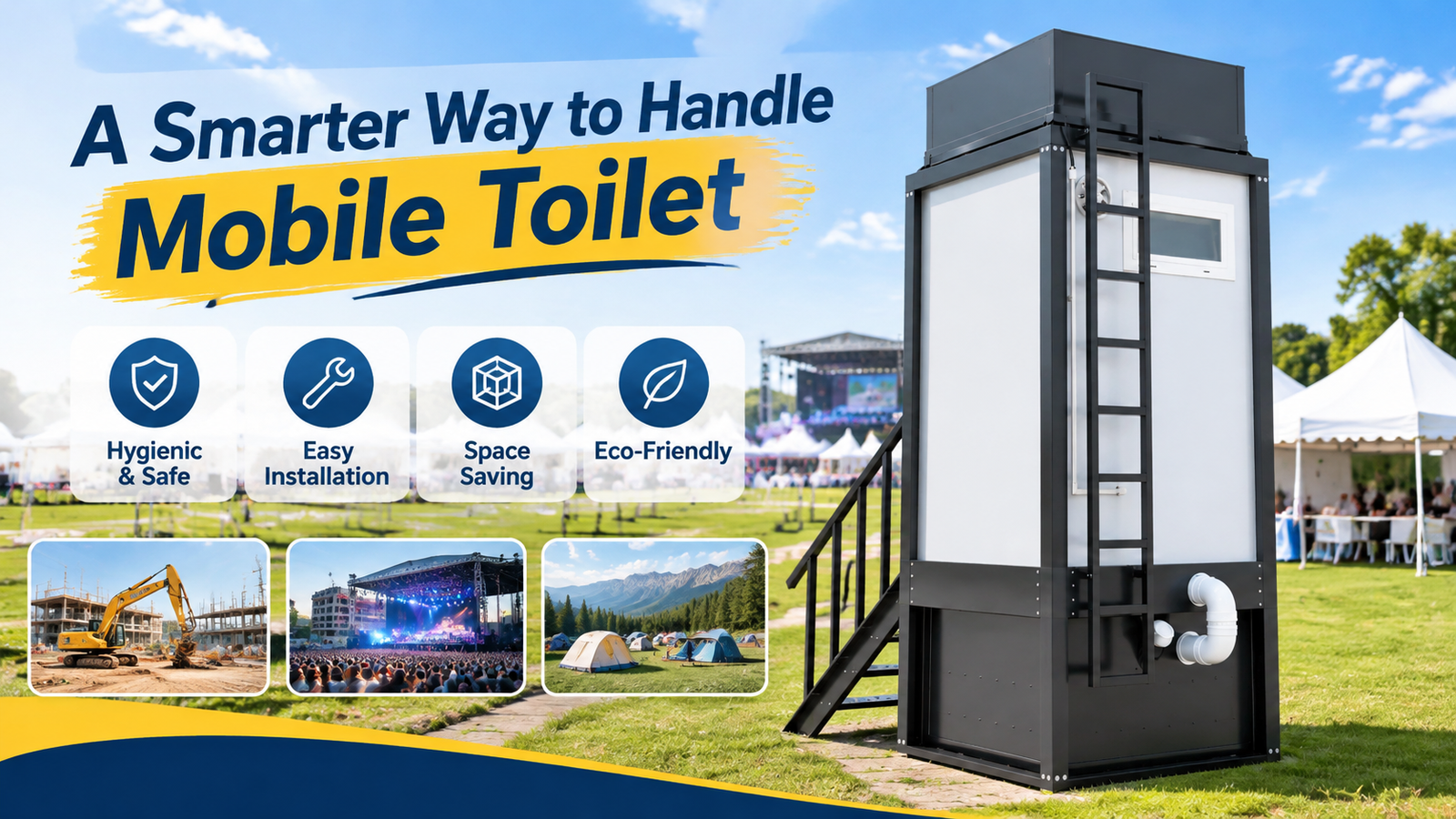
A Smarter Way to Handle Mobile Toilet
A Smarter Way to Handle Mobile Toilets
Managing mobile toilets should not be complicated, expensive, or time-consuming. Whether you operate a construction site, organize outdoor events, manage a campground, or run a portable toilet rental business, a smarter approach can make sanitation easier to manage. The key is to combine the right products with practical planning, consistent maintenance, and efficient daily operations.
Mobile Toilets
Portable Toilets, Portable Sanitation, Mobile Toilet Management
/a-smarter-way-to-handle-mobile-toilets/
Why a Smarter Mobile Toilet Strategy Matters
Mobile toilets are an important part of modern temporary sanitation. They provide convenient restroom facilities in locations where permanent plumbing and buildings are unavailable, impractical, or too expensive to install.
However, simply purchasing portable toilets does not guarantee an efficient operation. The real challenge is managing the complete process: choosing suitable models, arranging delivery, positioning units, scheduling cleaning, handling waste, and maintaining equipment over time.
When these tasks are handled separately without a clear plan, businesses may experience unnecessary service visits, repeated repairs, poor hygiene, and rising operating expenses.
Common Mobile Toilet Management Challenges
Different industries have different sanitation requirements, but many mobile toilet operators face similar challenges.
Unplanned Cleaning
Without a usage-based service schedule, some units may be cleaned too frequently while others are left unattended for too long.
Wrong Product Selection
A model designed for occasional use may not be suitable for a high-traffic construction site, festival, or commercial rental operation.
Unexpected Repairs
Delayed inspections can allow minor issues with doors, locks, ventilation, or flushing components to become more disruptive problems.
Rising Operating Expenses
Poor route planning, unnecessary transportation, frequent repairs, and unsuitable products can increase the total cost of ownership.
1. Choose the Right Mobile Toilet for the Job
One of the smartest ways to improve mobile toilet management is to select products based on their actual application. Different environments require different features, capacities, and levels of comfort.
Understand Your Application First
- Construction sites: Prioritize durability, practical servicing, and suitability for the expected workforce.
- Outdoor festivals: Consider visitor volume, event duration, cleaning frequency, and the availability of handwashing facilities.
- Campgrounds and glamping resorts: Focus on comfort, privacy, appearance, and the site's available water and waste infrastructure.
- Public parks: Consider accessibility, weather exposure, user demand, and local placement requirements.
- Rental businesses: Look for products that are practical to transport, clean, inspect, and maintain across multiple projects.
Compare Different Mobile Toilet Types
| Mobile Toilet Type | Typical Application | Key Consideration |
|---|---|---|
| Standard Portable Toilet | Construction sites and temporary worksites | Durability and simple servicing |
| Flushing Mobile Toilet | Events, campsites, and commercial applications | Water supply and waste management |
| Accessible Portable Toilet | Public facilities and inclusive events | Access space and applicable accessibility standards |
| Luxury Restroom Trailer | Weddings, premium events, and hospitality | Comfort, utilities, and transport requirements |
| Portable Handwashing Station | Events, construction, and outdoor activities | Water supply and hygiene servicing |
Choosing the right model from the beginning can make purchasing, deployment, cleaning, and maintenance much easier.
2. Plan Mobile Toilet Placement More Effectively
Good placement is not just about finding an empty space. It should balance user convenience, safety, privacy, environmental conditions, and servicing access.
What Makes a Good Location?
- Stable and reasonably level ground.
- Suitable drainage and reduced flooding risk.
- Convenient access for intended users.
- Enough space for servicing vehicles where required.
- Appropriate distance from food preparation areas and sensitive locations.
- Suitable privacy, lighting, and pedestrian access.
- Compliance with local site and sanitation requirements.
For large projects, create a simple site map showing every mobile toilet location. Include unit identification numbers and access information so cleaning and maintenance teams can find each unit quickly.
3. Build a Smarter Mobile Toilet Cleaning Routine
Cleaning is essential to maintaining portable sanitation. A consistent routine helps reduce unpleasant odors, improve user experience, and identify maintenance problems early.
Use Demand-Based Cleaning Schedules
Not every mobile toilet requires the same servicing frequency. Consider the number of users, operating hours, tank capacity, weather, location, and waste management arrangements.
Recommended Cleaning Tasks
- Clean toilet seats and high-touch surfaces.
- Clean interior walls and floors using suitable products.
- Inspect doors, handles, and locks.
- Check ventilation openings and components.
- Restock toilet paper and other provided hygiene supplies.
- Inspect handwashing facilities where installed.
- Service waste tanks according to actual usage and requirements.
- Record cleaning completion and any reported issues.
4. Use Preventive Maintenance to Avoid Bigger Problems
Waiting until a mobile toilet breaks down is rarely the most efficient way to manage equipment. Preventive maintenance helps identify damage and wear before they affect normal use.
Inspect These Components Regularly
- Door hinges, handles, and locking systems.
- Roof, walls, and structural components.
- Ventilation systems and air openings.
- Toilet seats and interior fittings.
- Flushing components where applicable.
- Water tanks, waste tanks, and visible connections.
- Floor surfaces and drainage components.
Keep records of repairs, replacement parts, and inspection dates. If the same problem appears repeatedly, review whether it is caused by product suitability, usage conditions, installation, or maintenance procedures.
5. Make Better Use of Operational Data
You do not need an expensive software system to manage mobile toilets more intelligently. Even basic operational records can help you make better decisions.
Track Useful Performance Indicators
- Number of units currently in service.
- Cleaning and servicing completion rates.
- Maintenance and repair frequency.
- Customer complaints by location.
- Operating cost per unit.
- Unit downtime and replacement history.
- Utilization across different projects.
Reviewing these indicators regularly can help you identify underused units, problem locations, inefficient service routes, and products that may need replacement.
For larger operations, inventory software or digital service management tools can help organize tasks, inspection records, and fleet information.
6. Control Long-Term Mobile Toilet Operating Costs
The purchase price is only one part of the total cost of owning mobile toilets. A smarter purchasing decision considers the full product lifecycle.
Look Beyond the Initial Price
- Product durability and expected service life.
- Transportation and delivery costs.
- Cleaning and waste servicing expenses.
- Replacement parts and repair requirements.
- Labor and maintenance time.
- Storage and relocation requirements.
- Availability of technical and after-sales support.
Improve Operational Efficiency
Plan service routes carefully, group nearby locations when practical, avoid unnecessary unit relocation, and maintain a record of recurring repairs. These steps can help reduce avoidable work and make operating costs easier to understand.
7. Smarter Mobile Toilet Solutions for Different Industries
Construction and Industrial Projects
Construction sites need practical sanitation solutions that can accommodate workers throughout the project. A suitable mobile toilet plan considers workforce size, work shifts, servicing access, and changing site layouts.
Outdoor Events and Festivals
Events can experience rapid changes in visitor numbers. Organizers should plan restroom locations, cleaning intervals, accessibility, and servicing arrangements according to the expected crowd and event schedule.
Campgrounds and Glamping Resorts
Outdoor accommodation businesses often need to balance comfort with practical sanitation management. Product appearance, privacy, flushing options, handwashing facilities, and available utilities should all be considered.
Portable Toilet Rental Businesses
Rental operators need to manage inventory across multiple customers and locations. Durable products, clear identification, service records, and practical transportation arrangements can make fleet operations easier to organize.
Public Parks and Remote Locations
Parks, agricultural sites, and remote projects may lack permanent restroom infrastructure. A suitable portable sanitation plan should account for weather, access, waste disposal, and local operating requirements.
8. Choose a Reliable Mobile Toilet Manufacturer
The right manufacturer can make product sourcing and long-term equipment management more straightforward. Look for a supplier that understands your application and can provide clear product information before you place an order.
What to Look for in a Supplier
- Clear product specifications and technical information.
- Suitable materials and manufacturing quality controls.
- Multiple models for different applications.
- OEM and ODM customization where available.
- Warranty terms and replacement-part support.
- Professional export packaging and shipping arrangements.
- Responsive communication and after-sales service.
Before purchasing in bulk, request product photos, specifications, packaging dimensions, and relevant documentation. Confirm the product configuration and commercial terms in writing.
Your Mobile Toilet Management Checklist
Use this checklist to review whether your current operation follows a smarter and more organized approach.
- We select products according to their intended application.
- We understand the expected number of users at each location.
- We have a clear placement and access plan.
- We use cleaning schedules based on actual usage.
- We inspect equipment regularly.
- We record cleaning, repairs, and maintenance activities.
- We monitor operating expenses and equipment performance.
- We review customer feedback and recurring complaints.
- We evaluate suppliers based on quality and long-term support.
- We plan equipment purchases and replacements in advance.
Frequently Asked Questions About Mobile Toilets
1. What is the smartest way to manage mobile toilets?
Combine suitable product selection, usage-based cleaning schedules, preventive maintenance, appropriate placement, service records, and regular performance reviews.
2. How often should mobile toilets be cleaned?
It depends on user volume, location, tank capacity, weather, and operating conditions. High-traffic locations generally require more frequent inspections and servicing.
3. How can I reduce mobile toilet maintenance costs?
Choose suitable and durable units, inspect equipment regularly, maintain service records, plan efficient routes, and address small problems before they become major repairs.
4. Which mobile toilets are suitable for outdoor events?
The right choice depends on visitor volume, event duration, site conditions, comfort expectations, and servicing arrangements. Options may include standard portable toilets, flushing toilets, accessible units, and handwashing stations.
5. What should I ask a mobile toilet manufacturer before buying?
Ask about material specifications, dimensions, tank capacity, durability, cleaning requirements, warranty, replacement parts, customization, packaging, and international shipping.
6. Can mobile toilets be customized for my business?
Depending on the manufacturer and model, customization may include colors, company logos, branding, accessories, and different interior or sanitation configurations.
Final Thoughts: A Smarter Way to Handle Mobile Toilets
Managing mobile toilets effectively is about more than buying equipment and arranging occasional cleaning. It requires a coordinated approach to product selection, placement, servicing, maintenance, cost control, and customer experience.
By using suitable products, building consistent procedures, keeping accurate records, and reviewing operational performance, businesses can make portable sanitation easier to manage.
Whether you are managing a construction site, operating a rental fleet, organizing outdoor events, or developing a campground, a smarter mobile toilet strategy can help create more reliable sanitation facilities and support long-term business operations.
Ready to Find a Smarter Mobile Toilet Solution?
Looking for reliable mobile toilets for construction sites, outdoor events, campgrounds, rental businesses, or public projects? Explore different portable sanitation models and find a solution that matches your application, quantity, and operating requirements.
Request a QuoteBefore publishing, replace example.com with your actual domain, update the company information in the structured data, and connect the CTA to your real inquiry page. Check product-specific statements against your actual product specifications.