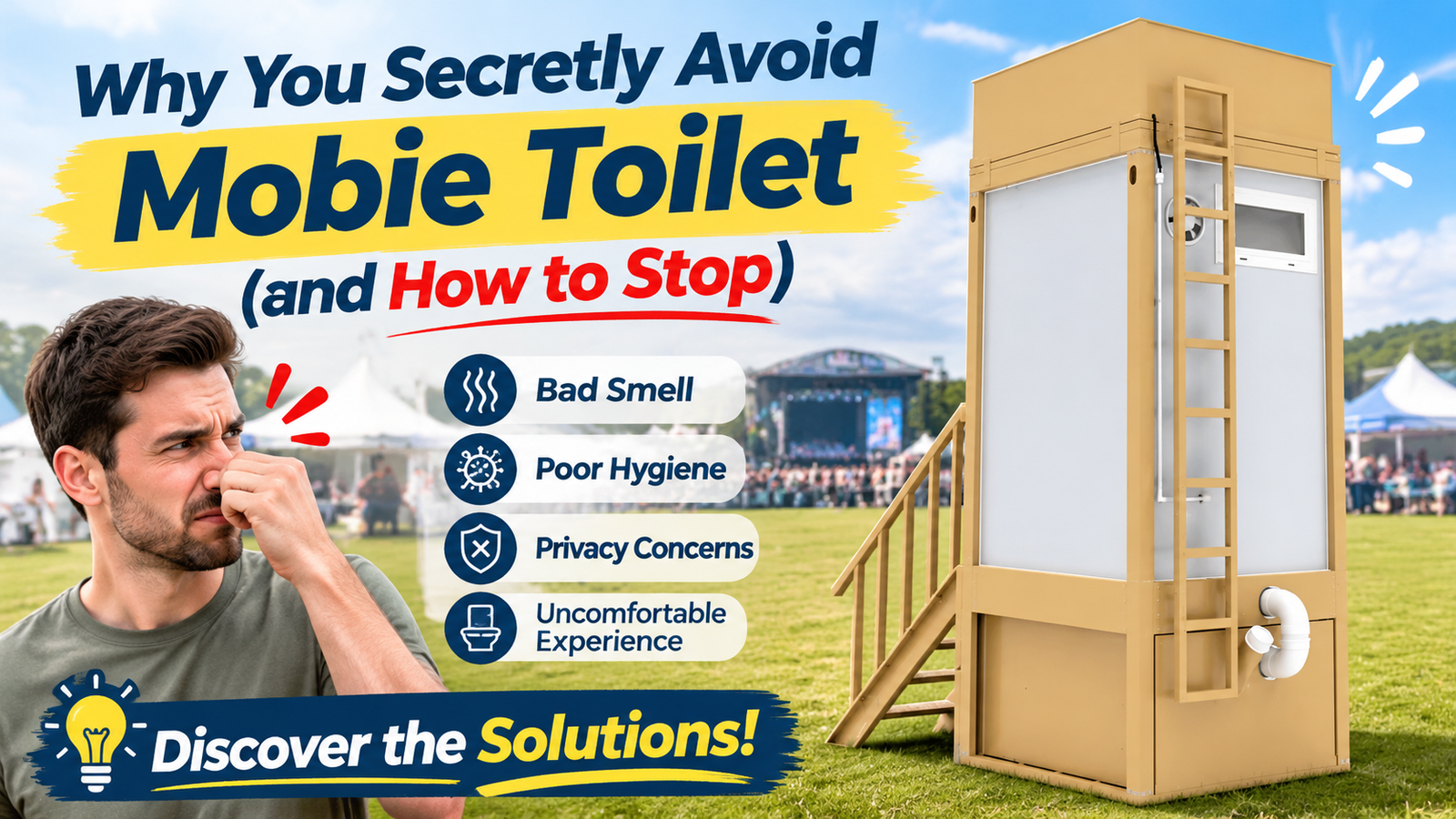
Why You Secretly Avoid Mobie Toilet (and How to Stop)
Why You Secretly Avoid Mobile Toilets (and How to Stop)
Let's be honest: many people do not exactly look forward to using a mobile toilet. But the problem may not be the concept of portable sanitation itself. Poor cleaning, bad ventilation, uncomfortable layouts, weak maintenance, and unsuitable product choices can create a negative experience. The good news is that most of these problems can be solved.
Mobile Toilets
Portable Toilets, Portable Sanitation, Mobile Toilet Maintenance
Why Do People Avoid Mobile Toilets?
Mobile toilets are everywhere: construction sites, outdoor festivals, sporting events, parks, campgrounds, emergency locations, and temporary worksites.
Yet when people see a portable restroom, their first reaction is not always positive. Some immediately worry about odor. Others think about cleanliness, privacy, ventilation, or the possibility of an uncomfortable experience.
These concerns usually come from previous experiences. A poorly maintained mobile toilet can create a negative impression that lasts long after the actual problem is gone.
So instead of asking whether mobile toilets are unpleasant, a better question is: what makes a mobile toilet comfortable, hygienic, and reliable?
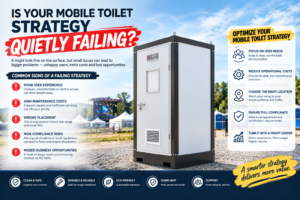
7 Reasons People Avoid Mobile Toilets
If users consistently avoid the portable toilets at your site or event, one or more of these problems may be responsible.
Unpleasant Odors
Odor is probably the most common reason people develop a negative opinion of mobile toilets. Poor ventilation, insufficient cleaning, high usage, and inadequate servicing can all contribute to unpleasant smells.
Poor Cleanliness
Dirty floors, seats, walls, or high-touch surfaces can quickly make a portable restroom feel uncomfortable. Regular cleaning and proper servicing are essential.
Lack of Privacy
Users expect doors and locks to function properly. A damaged door, weak locking system, or poor placement can make people feel uncomfortable even when the unit itself is clean.
Poor Ventilation
A well-designed ventilation system can help improve airflow and reduce the buildup of unpleasant odors. Ventilation openings should also be kept clean and unobstructed.
Uncomfortable Interior
Limited space, poor lighting, damaged fittings, and unsuitable accessories can make users feel uncomfortable. Product selection should consider the expectations of the intended users.
Bad Placement
A mobile toilet placed too close to food areas, on unstable ground, in direct exposure to harsh weather, or far from the main activity area may create a poor user experience.
Inconsistent Maintenance
Even a high-quality mobile toilet can become unpleasant if cleaning and maintenance are neglected. Product quality and operational discipline must work together.
The Odor Problem: It Is Usually a Management Problem
When people think about mobile toilets, odor is often the first concern that comes to mind. But unpleasant odors are not simply an unavoidable feature of portable sanitation.
Several factors can influence odor, including usage volume, waste tank condition, ventilation, temperature, cleaning frequency, and servicing procedures.
How to Reduce Odor Problems
- Follow an appropriate cleaning and servicing schedule.
- Keep ventilation openings clear.
- Monitor high-traffic units more frequently.
- Use sanitation products according to manufacturer and service-provider recommendations.
- Inspect tanks and related components for leaks or damage.
- Adjust servicing frequency when usage increases.
Cleanliness and Hygiene Make the Biggest Difference
Users judge a mobile toilet within seconds of entering. A clean interior immediately creates a better impression, while visible dirt or overflowing waste can make users uncomfortable.
Areas That Should Receive Regular Attention
- Toilet seat and surrounding surfaces
- Interior walls and floor
- Door handles and locking mechanisms
- Ventilation openings
- Handwashing stations
- Frequently touched surfaces
- Waste tank and servicing components
Hygiene management should also include the availability of appropriate supplies such as toilet paper and handwashing materials where these are part of the facility.
Comfort and Privacy Matter More Than You Think
Mobile sanitation does not have to mean uncomfortable sanitation. Modern portable restroom designs can provide practical levels of privacy and user comfort when the right configuration is selected and maintained properly.
Important Comfort Factors
| Factor | Why It Matters | What to Check |
|---|---|---|
| Door | Provides privacy and security. | Hinges, handle, alignment, and locking system. |
| Ventilation | Supports airflow and odor management. | Openings, vents, and airflow design. |
| Interior Space | Influences user comfort and accessibility. | Available floor area and configuration. |
| Lighting | Improves visibility and perceived safety. | Natural or installed lighting where appropriate. |
| Accessories | Improve convenience and hygiene. | Toilet paper holders, handwashing options, mirrors, and other available accessories. |
Why Ventilation Matters in Mobile Toilets
Ventilation is one of the easiest features to overlook when purchasing a mobile toilet. However, proper airflow can play an important role in improving the interior environment.
When comparing portable toilet models, consider the design and location of ventilation openings and how easy they are to inspect and maintain.
Better Ventilation Starts With Better Design
- Ventilation openings should be appropriately positioned.
- Openings should remain unobstructed.
- Components should be accessible for inspection.
- The ventilation design should match the intended application.
Ventilation is only one part of odor management. It should be combined with proper cleaning, servicing, waste management, and appropriate product use.
Even the Best Mobile Toilet Needs Maintenance
One of the biggest mistakes businesses make is assuming that buying a high-quality mobile toilet eliminates maintenance. It does not.
Every portable sanitation unit needs regular inspection and servicing. The difference is that a well-designed product can make those tasks easier and more predictable.
A Practical Maintenance Routine
- Inspect the exterior and interior condition.
- Check the door, hinges, handle, and lock.
- Inspect ventilation openings.
- Check toilet fittings and accessories.
- Clean high-touch and interior surfaces.
- Check hygiene supplies.
- Service waste tanks according to actual usage and applicable procedures.
- Record problems and repairs for future reference.
How to Stop Avoiding Mobile Toilets
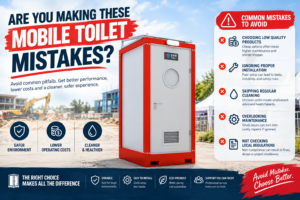
If your current portable restroom experience is disappointing, you do not necessarily need to replace everything. Start by identifying the actual cause of the problem.
Identify the Biggest Complaint
Is the main issue odor, cleanliness, privacy, comfort, location, or maintenance? Fix the most visible problem first.
Review Your Current Products
Check whether the current mobile toilet model actually matches the environment and expected user volume.
Improve Cleaning Frequency
Adjust servicing according to actual usage rather than following the same schedule for every location.
Check Ventilation and Placement
Make sure ventilation openings are unobstructed and that units are placed in practical, safe, and appropriate locations.
Track User Feedback
Ask users or customers what they dislike and look for repeated patterns rather than isolated complaints.
What Businesses Can Do to Improve Mobile Toilet Experiences
For businesses, improving the mobile toilet experience is not simply about making users happier. It can also improve brand perception and operational reliability.
Construction Companies
Provide suitable sanitation facilities based on workforce size, project duration, site conditions, and servicing access.
Event Organizers
Consider expected visitor numbers, event duration, restroom distribution, cleaning schedules, accessibility, and handwashing facilities.
Campground Operators
Focus on comfort, privacy, appearance, hygiene, and easy maintenance. Guest expectations may be higher in recreational and hospitality environments.
Portable Toilet Rental Companies
Standardize inspection procedures, maintain accurate unit records, and choose durable products that can withstand repeated transportation and servicing.
Mobile Toilet Quality Checklist
Before purchasing or deploying mobile toilets, use this checklist to evaluate whether the solution is likely to provide a better user experience.
- Is the product suitable for the intended application?
- Does the design provide adequate privacy?
- Is the door and locking mechanism reliable?
- Is the ventilation system practical?
- Is the interior easy to clean?
- Are replacement parts available?
- Can the unit be serviced efficiently?
- Is the product suitable for the expected usage level?
- Can additional hygiene accessories be added?
- Does the supplier provide clear product specifications?
Frequently Asked Questions About Mobile Toilets
1. Why do people avoid mobile toilets?
People may avoid mobile toilets because of previous experiences with poor cleanliness, unpleasant odors, uncomfortable interiors, lack of privacy, poor ventilation, or inadequate maintenance.
2. How can mobile toilets be made more comfortable?
Better ventilation, regular cleaning, suitable interior space, working locks, good lighting, appropriate accessories, and proper placement can improve the overall experience.
3. How often should mobile toilets be cleaned?
Cleaning frequency depends on user volume, location, weather, tank capacity, and operating conditions. High-traffic locations generally require more frequent inspection and servicing.
4. Are modern mobile toilets hygienic?
Modern mobile toilets can provide hygienic sanitation when they are properly designed, installed, cleaned, serviced, and maintained.
5. How can businesses improve mobile toilet user satisfaction?
Businesses can improve satisfaction by choosing suitable products, maintaining consistent cleaning schedules, providing appropriate hygiene supplies, responding quickly to problems, and collecting user feedback.
Final Thoughts: You Do Not Have to Avoid Mobile Toilets
The negative reputation of mobile toilets often comes from poor experiences rather than the concept of portable sanitation itself.
A well-designed mobile toilet, combined with appropriate placement, regular cleaning, proper ventilation, preventive maintenance, and responsive servicing, can provide a practical and comfortable sanitation solution.
If people are avoiding the mobile toilets at your construction site, event, campground, or business, do not simply accept it as normal. Identify the reason, fix the underlying problem, and improve the system step by step.
The smarter approach is simple: choose better, maintain better, and manage better.
Looking for a Better Mobile Toilet Solution?
Whether you need mobile toilets for construction projects, outdoor events, campgrounds, public facilities, or a portable sanitation business, choosing the right product is the first step. Share your application, quantity, and requirements with our team to explore a suitable solution.
Request a QuoteBefore publishing this article, replace the example domain, company name, and contact URL with your actual website information. Product-specific claims should also be checked against your actual mobile toilet models and technical specifications.